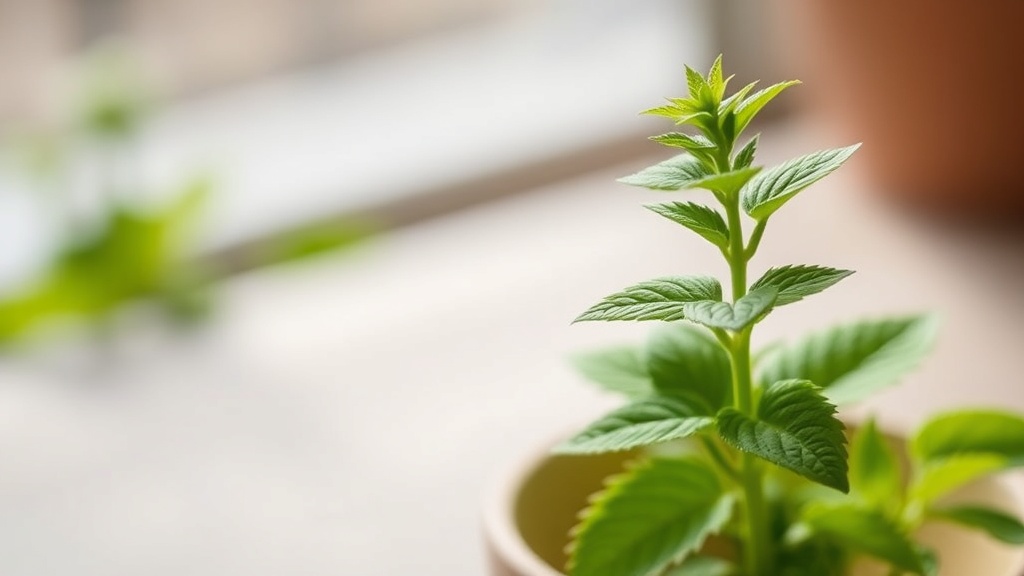
Finding Calm in the Afternoon Slump with Lemon Balm

It’s 3:00 PM on a Tuesday. The coffee from this morning has long since worn off, and instead of feeling productive, you feel a strange, jittery tension in your chest. You want to keep working, but your brain feels like it’s stuck in heavy fog, and your nerves are slightly frayed. This is the classic afternoon slump—not just a lack of energy, but a state of agitated fatigue. This post explores how lemon balm can help settle that specific brand of midday unrest.
Lemon balm is a member of the mint family that offers a gentle way to calm the nervous system without making you feel drugged or sleepy. It’s a perfect tool for those moments when you need to find a middle ground between high-stress anxiety and total exhaustion.
What are the benefits of lemon balm for anxiety?
Lemon balm primarily helps reduce feelings of mild anxiety and promotes a sense of calm by interacting with GABA receptors in the brain. It’s a nervine—a herb used to support the nervous system—that works to soothe the "fight or flight" response without the heavy sedation often associated with stronger herbal sedatives.
Many people find that a cup of tea or a tincture helps settle a racing heart or a restless mind. It’s not a miracle cure, but it provides a soft landing for a frazzled brain. Unlike caffeine, which can spike cortisol and increase jitters, lemon balm works to stabilize your internal environment.
If you’ve ever felt that "wired but tired" sensation, you might find it helpful to look into practical ways to reset an overloaded mind. Often, our modern environment keeps us in a state of high stimulation, and lemon balm acts as a natural buffer against that noise.
The plant contains rosmarinic acid, which is a compound known for its antioxidant and anti-inflammatory properties. This isn't just about your mood; it's about protecting your cellular health as well. Most of the scientific interest in Melissa officinalis (the scientific name for lemon balm) focuses on its ability to improve cognitive function and reduce stress-related symptoms.
How do you use lemon balm for the best results?
The most effective way to use lemon balm is through a warm infusion or a standardized tincture taken during periods of high stress. Depending on your goal—whether it's a quick pick-me-up or a long-term way to support your nerves—the method of consumption changes.
Here is a quick breakdown of the most common ways to incorporate it into your day:
| Method | Best For... | Preparation Tip |
|---|---|---|
| Loose Leaf Tea | Immediate relaxation & ritual | Steep 1-2 tsp of dried leaves in hot water for 10 minutes. |
| Tincture | Quick absorption on the go | Add a few drops to water or directly under the tongue. |
| Essential Oil | Aromatherapy & sensory grounding | Diffuse in your workspace or add to a carrier oil. |
| Fresh Infusion | Gentle, everyday wellness |
I personally prefer a strong infusion. There's something about the warmth that signals to the body that the "work" part of the day is easing up. If you're using a tincture, brands like Gaia Herbs offer high-quality, standardized extracts that take the guesswork out of dosing. It’s a reliable way to ensure you're getting the active constituents you need.
One thing to keep in mind: don't overdo the heat. If you're making tea, let the water sit for a minute after boiling before pouring it over the leaves. You don't want to "cook" the delicate volatile oils that give lemon balm its signature scent and therapeutic power.
Is lemon balm safe to use every day?
Yes, lemon balm is generally considered safe for most people when used in moderation, but you should be cautious if you are taking thyroid medication. There is some evidence suggesting that lemon balm might interfere with thyroid hormone levels, specifically if consumed in very high doses over long periods.
It's a very gentle herb. Unlike some pharmaceutical options, it doesn't usually leave you feeling "hungover" or groggy the next morning. However, it's always wise to check with a healthcare professional if you're already on a prescription regimen. For example, if you're using herbs to help with sleep, you might also enjoy the calming effects of chamomile to round out your evening routine.
A few quick safety notes:
- Avoid excessive consumption if you have an underactive thyroid (hypothyroidism).
- If you are pregnant or nursing, consult your doctor first.
- Monitor how you feel; if you feel overly lethargic, reduce the dosage.
I've found that using it as a "situational" tool—meaning, only when I feel that afternoon anxiety creeping in—is often more effective than trying to force it into a strict daily schedule. It's a tool in your toolkit, not a permanent replacement for a balanced lifestyle.
The way you approach your afternoon can dictate how the rest of your evening goes. If you push through the slump with more caffeine, you'll likely pay for it at 10:00 PM. If you use a gentle nervine like lemon balm, you're essentially teaching your body how to transition from "doing" to "being."
It's about building a more sustainable way to live. We spend so much time trying to optimize our output, but we rarely talk about how to manage the "down" periods. A little bit of lemon balm can make that transition much less jarring. It's a small, natural way to reclaim your focus without the crash.