
The Low-Stimulation Lifestyle: A Practical Reset for Overloaded Minds

Most people don’t need another productivity system. They need fewer inputs.
Notifications, noise, artificial light, constant scrolling—it’s not just distracting, it’s exhausting at a biological level. The modern environment is built for stimulation, not recovery. And yet, most wellness advice still adds more: more habits, more supplements, more tracking.
This is a different approach. A low-stimulation lifestyle strips things back so your nervous system can actually reset. Not perfectly. Not permanently. But enough to feel like yourself again.
What “Low-Stimulation” Actually Means
This isn’t about living in silence or rejecting modern life. It’s about controlling intensity and frequency.
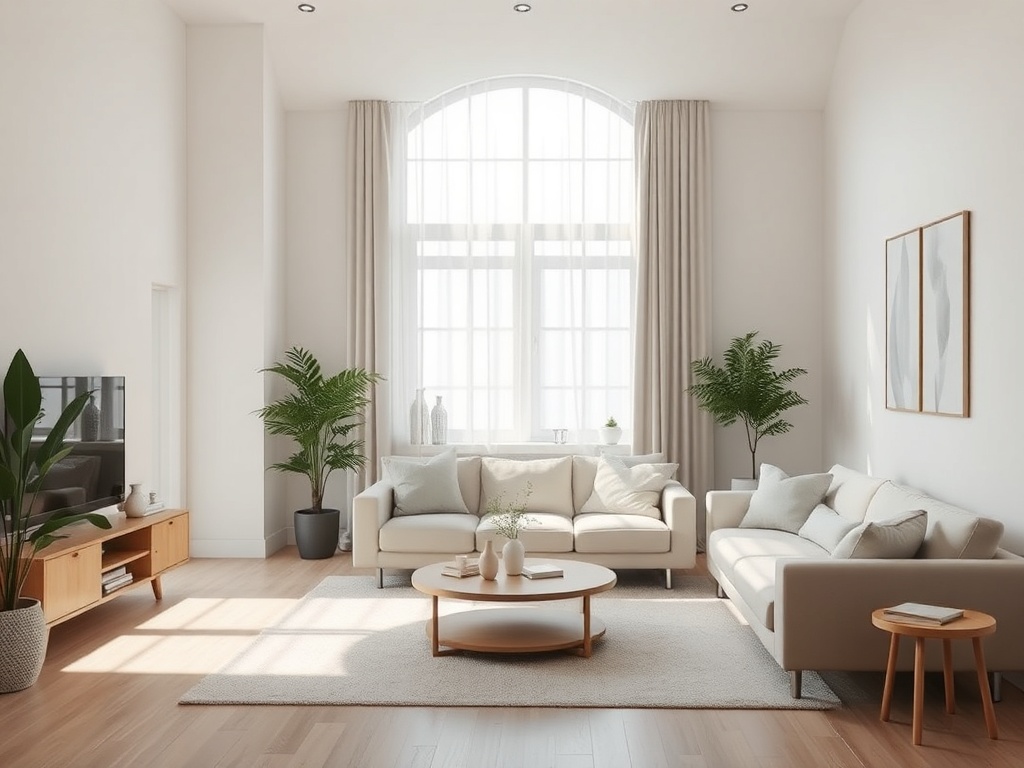
High stimulation comes from rapid novelty, loud environments, bright artificial light, multitasking, and emotional spikes. Low stimulation, on the other hand, is slower, quieter, more predictable.
- Fewer inputs competing for attention
- Longer periods of uninterrupted focus or rest
- Gentler sensory environments (light, sound, texture)
- Reduced digital friction
The goal isn’t to eliminate stimulation. It’s to rebalance it.
Why Your Nervous System Is Burnt Out
Your nervous system is constantly scanning for signals. Every notification, background conversation, or flicker of light registers as something to process.
Over time, this builds into a baseline state of alertness. You might not feel stressed in the traditional sense, but you’re rarely fully relaxed either.
Common signs include:
- Difficulty focusing on simple tasks
- Feeling tired but wired at night
- Low tolerance for boredom
- Constant urge to check your phone
- Subtle anxiety without a clear cause
These aren’t personality traits. They’re environmental outcomes.

The Core Principle: Reduce Before You Add
Most wellness routines fail because they layer new behaviors on top of an already overloaded system.
A low-stimulation reset works differently:
- Remove unnecessary inputs
- Stabilize your environment
- Then introduce supportive habits
This order matters. If your baseline is chaotic, even good habits feel like pressure.
Step 1: Clean Up Your Digital Environment
This is the highest leverage change you can make.
- Turn off non-essential notifications
- Move distracting apps off your home screen
- Set your phone to grayscale for part of the day
- Create defined “check windows” instead of constant access
You don’t need discipline if you reduce exposure.
Step 2: Lower Sensory Noise at Home
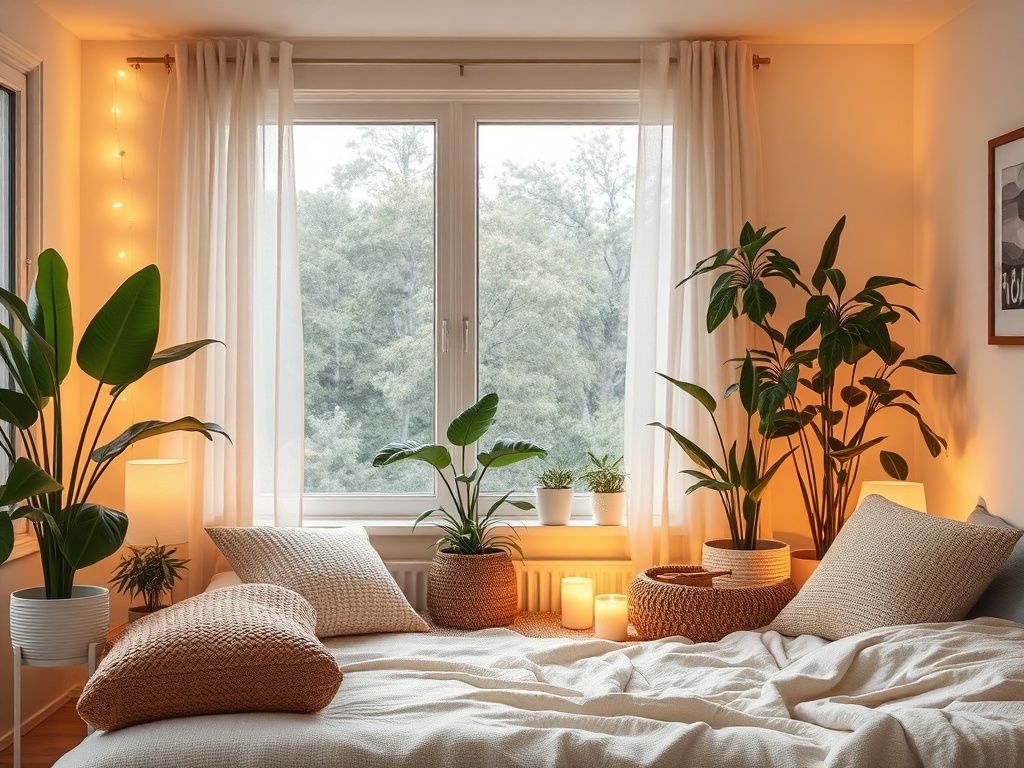
Your living space should help your nervous system downshift, not keep it activated.
- Use warm lighting instead of harsh overhead lights
- Keep background noise intentional (music, not random TV)
- Reduce visual clutter—especially in rest areas
- Open windows when possible for natural air and sound
Think less “perfect aesthetic,” more “calm signal.”
Step 3: Rebuild Your Attention Span
If your attention feels fractured, it’s not because you lack willpower—it’s because your brain has adapted to constant switching.
Start small:
- Read for 10 minutes without interruption
- Take a walk without headphones
- Eat one meal without screens
These are not trivial. They retrain your nervous system to tolerate stillness again.
Step 4: Create “No Input” Windows
This is where the real reset happens.
Set aside short periods where you deliberately remove input:
- No phone
- No music
- No conversation
Just sit, walk, or lie down.
At first, this can feel uncomfortable. That’s the point. You’re noticing how dependent your system has become on stimulation.
Step 5: Align With Natural Rhythms
Your body responds differently to natural cues than artificial ones.
- Get morning light within an hour of waking
- Dim lights after sunset
- Keep meals at consistent times
- Wind down without screens before sleep
This isn’t rigid scheduling—it’s gentle alignment.

What Changes After a Few Weeks
If you stick with this, the changes are subtle but noticeable:
- Deeper, more consistent sleep
- Improved focus without forcing it
- Less reactivity to minor stressors
- A quieter internal dialogue
It doesn’t feel dramatic. It feels like friction has been removed.
What This Lifestyle Is Not
There’s a tendency to turn any wellness idea into an extreme. Don’t do that here.
- It’s not about avoiding people or experiences
- It’s not about eliminating technology completely
- It’s not about chasing perfect calm
You’re building capacity, not restriction.
A Simple Daily Framework
If you want something concrete, use this:
- Morning: Light exposure, no phone for 30 minutes
- Midday: One focused task block, one screen-free break
- Evening: Reduced lighting, no-input window, consistent wind-down
That’s enough. More is optional.
The Honest Trade-Off
You will feel bored sometimes. That’s unavoidable.
But boredom is not a problem—it’s a signal that your system is recalibrating. On the other side of that boredom is clarity, creativity, and actual rest.
Most people never get there because they fill the gap too quickly.
Final Thought
You don’t need to optimize your life. You need to quiet it down.
Start by removing just one source of unnecessary stimulation today. Then another tomorrow. Within a week, you’ll notice the difference—not because you added something new, but because you finally gave your mind space to recover.