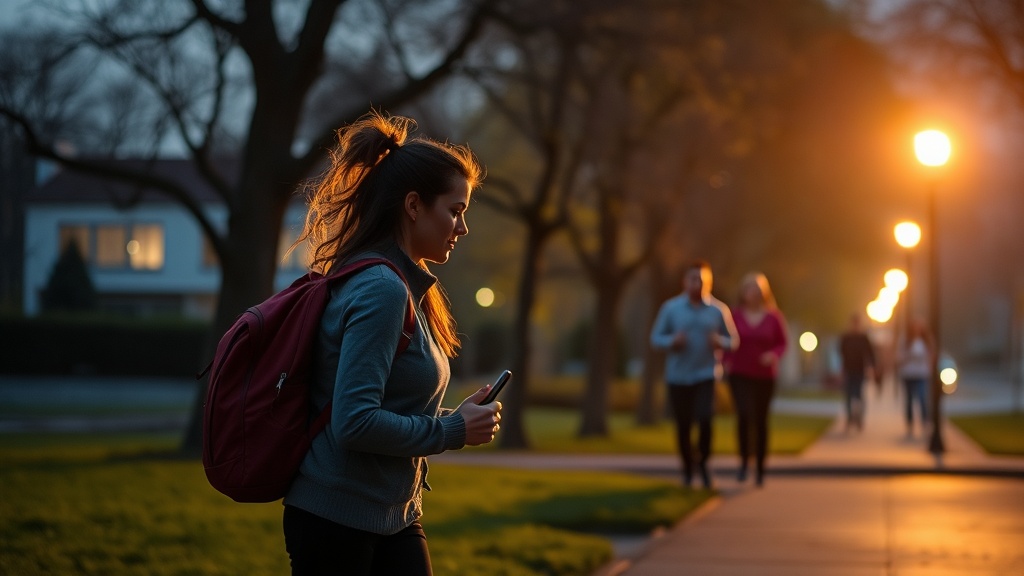
Why a 10-Minute Walk After Dinner Often Works Better Than Another Supplement

A short walk after dinner can do more for your evening than most people expect. It can smooth out that heavy, sluggish feeling after a meal, help your body handle blood sugar more calmly, and make it easier to end the day without feeling parked on the couch. This covers what a post-dinner walk actually does, how long it should last, who should be careful, and how to make the habit realistic when life is busy.
What does a short walk after dinner actually do?
The first benefit is simple: walking asks your muscles to work. When muscles contract, they pull more fuel from the bloodstream. That matters after a meal, when energy from food is still being processed. A gentle walk is not a magic trick, and it does not erase a heavy dinner, but it does change what happens next. Instead of sitting down for the next hour and letting the usual drag roll in, you give your body a clear job to do.
That shift matters more than the wellness market likes to admit. Plenty of people reach for another powder, tea, gummy, or capsule when what they really need is ten calm minutes outside. I am not against supplements when they solve a real problem. I am against pretending they are a substitute for ordinary movement. If your evenings are mostly dinner, dishes, couch, and scrolling, a walk is often the missing piece hiding in plain sight.
There is also the less glamorous point: walking breaks up long sitting time. Federal physical activity guidance now puts real weight on the idea of moving more and sitting less, not only on scheduled workouts. The Physical Activity Guidelines for Americans make that point clearly. A post-dinner walk is one of the easiest ways to turn that advice into something concrete. You do not need to change your whole schedule. You attach movement to a thing that already happens every night.
The mental effect is underrated too. A short walk creates a buffer between the active part of the day and the part where you want to wind down. That matters if you tend to keep eating at night, keep checking your phone, or keep pacing around the kitchen because your brain has not gotten the message that the day is easing off. A walk after dinner can act like punctuation. It closes the meal and makes it easier to move on.
Can walking after dinner help digestion and blood sugar?
Yes, for many people, though the benefit is usually modest and steady rather than dramatic. If you deal with mild bloating, a too-full feeling, or that familiar post-meal sleepiness, light movement often feels better than collapsing into a chair. You are not trying to power through a workout on a full stomach. You are giving your digestive system a friendlier setting than total stillness.
There is a practical digestion angle here. The National Institute of Diabetes and Digestive and Kidney Diseases notes that regular physical activity may help relieve constipation, which is one reason movement belongs in any honest conversation about digestive comfort. Their page on constipation treatment is a useful reminder that digestion is not only about what you eat. It is also about whether your body gets enough motion, enough fluid, and enough routine.
Blood sugar is the other big reason this habit gets attention. NIDDK also explains that physical activity can help lower blood glucose and improve overall metabolic health on its page about diet, eating, and physical activity. That does not mean every person needs to march out the door with a glucose monitor after dinner. It means the basic physiology is sound: your body generally handles a meal better when movement is part of the picture.
Where people get tripped up is exaggeration. A ten-minute walk is helpful. It is not a free pass for overeating every night. It will not cancel out regular sleep loss, high stress, or a diet that leaves you feeling rough most days. Think of it as a small input with a decent return. In daily wellness, that is often what actually lasts.
If you take insulin or medicines that can lower blood sugar, be more careful. Activity can bring glucose down for hours afterward, and timing matters. That is especially true if you are increasing activity beyond your usual routine. If that applies to you, talk with your clinician about how meal timing, medication timing, and walking fit together. A post-dinner walk is still workable for many people, but the plan should match the person.
The goal is not to earn your meal. The goal is to feel better after it.
How long should you walk after eating?
For most people, the sweet spot is ten to twenty minutes at an easy or moderate pace. You should be able to talk in full sentences. If you are breathing so hard that conversation gets choppy, you are pushing too hard for the job this walk is meant to do. Save intervals, hills, and hard training for another time.
You also do not need to wait an hour. If a short walk fits best right after the dishes are cleared, that is fine. If your stomach feels better with a ten- or fifteen-minute pause first, that is fine too. The more important point is consistency. The body responds well to repeatable habits, and repeatable beats idealized almost every time.
Here is a useful way to think about it:
| Situation | Best approach |
|---|---|
| Average dinner, normal energy | Walk 10-20 minutes at a conversational pace |
| Large meal and you feel very full | Wait 10-15 minutes, then take an easy stroll |
| You already did a hard workout earlier | Keep the walk short and relaxed |
| You have reflux, nausea, or cramping | Skip it or wait until symptoms settle |
| Bad weather or no safe route | Walk indoors, pace during cleanup, or do laps at home |
If you are just starting, do not set the bar at thirty minutes. That sounds disciplined and usually fails by Thursday. Start with ten. Five is even acceptable if the alternative is nothing. The habit matters first; the duration can grow later.
When should you skip the walk?
There are a few cases where walking right after dinner is not the move. If you feel sharp abdominal pain, significant nausea, dizziness, or symptoms of low blood sugar, deal with that first. If you have severe reflux, a condition affected by activity timing, or a recent injury, a clinician can tell you whether an after-meal walk makes sense for you.
You should also skip the purity mindset. Some nights are a mess. Work runs late. The weather is ugly. Your kid melts down. You eat dinner at 9:15 and the only sensible next step is shower, bed, done. Missing the walk does not break the habit unless you turn one missed night into a story about why you are bad at routines.
There is a difference between discipline and self-punishment. A post-dinner walk should make your night feel better, not harder.
How do you make a post-dinner walk stick for a week?
Make it almost embarrassingly easy. Put shoes by the door before dinner. Decide on a route so there is no small debate afterward. Keep the first week short enough that you can do it even when you are tired. If you live with other people, invite them once and then stop selling it. Shared walks are nice, but waiting for company is one of the fastest ways to lose momentum.
It also helps to define the win clearly. The win is not steps, calories, or rings closed. The win is leaving the house, or at least leaving the table area, for ten minutes after dinner. That is it. Once people turn the walk into a performance metric, they quietly make it heavier than it needs to be.
Here is a simple seven-day reset:
- Day 1-2: Walk 10 minutes after dinner, no pace target.
- Day 3-4: Keep the same timing, add a slightly brisker middle 3 minutes if it feels good.
- Day 5: If you cannot go outside, do 10 minutes indoors anyway.
- Day 6: Notice how your appetite feels later that night compared with a no-walk evening.
- Day 7: Decide whether 10 minutes is your standard or whether 15 feels more natural.
Pay attention to what changes. Maybe digestion feels smoother. Maybe evening snacking drops because the meal now has a clean ending. Maybe sleep comes a little easier because you are not carrying that stuffed, restless feeling into bed. Maybe nothing dramatic happens except that you feel more like yourself. That still counts.
Tonight, keep it plain: eat dinner, clear the plate, step outside, and walk until your mind unclenches a bit. Do it again tomorrow. Most people do not need a new stack of wellness products. They need one repeatable habit that helps the body finish the day well.