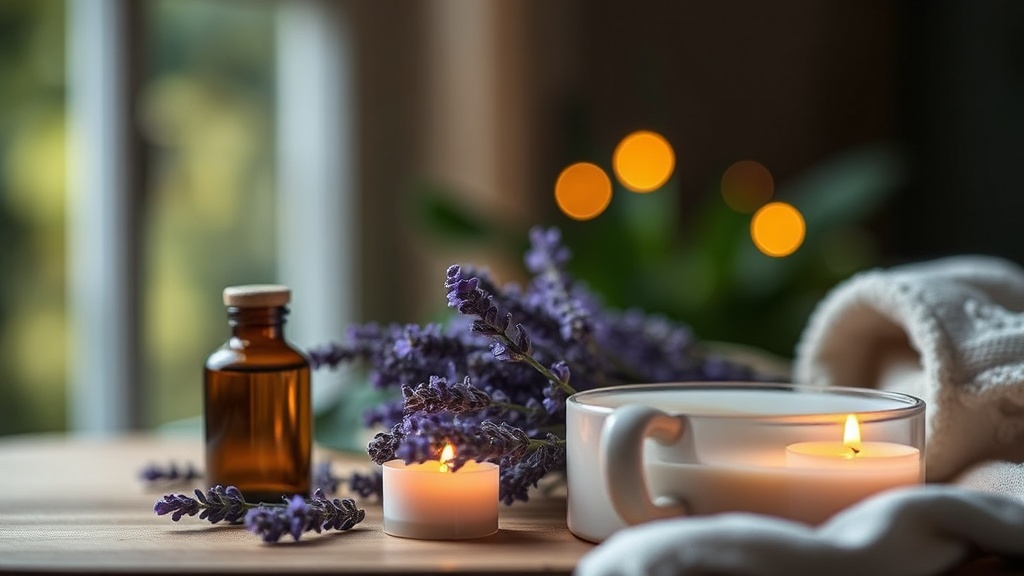
A Soothing Ritual with Lavender for Evening Unwinding

Quick Tip
Use lavender-scented oils or tea to create a sensory bridge between your active day and restorative rest.
Imagine a person staring at their ceiling at 11:00 PM, heart still racing from the day's deadlines. They've tried turning off screens, but the mental noise won't quit. This ritual focuses on using high-quality lavender to signal to your nervous system that the workday is officially over.
Using lavender isn't just about making a room smell nice—it's about a physiological shift. When you use scent effectively, you're using one of the fastest ways to reach the brain's emotional center.
How do I use lavender for better sleep?
You can use lavender through aromatherapy, topical application, or even a warm soak to signal relaxation to your body. For a quick evening ritual, try diffusing a few drops of pure Lavandula angustifolia essential oil in your bedroom about thirty minutes before you head to bed.
If you prefer a tactile experience, a drop of diluted lavender oil on your pulse points works wonders. Just make sure you're using a carrier oil like jojoba or almond oil to prevent skin irritation (never apply undiluted essential oils directly to your skin!).
If you're already practicing a low-stimulation lifestyle, this scent-based cue becomes a powerful anchor for your brain.
What are the best ways to apply lavender oils?
The method you choose depends on how much time you have and how deeply you want to engage your senses. Here is a quick breakdown of common methods:
| Method | Best For... | Application |
|---|---|---|
| Diffusion | Ambient scent | Ultrasonic diffuser with water |
| Topical | Localized relaxation | Diluted in carrier oil on wrists |
| Bath | Full-body unwinding | Mixed with Epsom salts |
I personally find that a warm bath with lavender-infused salts is the most effective way to physically "drop" the tension from my shoulders. It's a heavy, grounding sensation that helps me transition out of "work mode."
Is lavender oil safe to use every night?
Lavender is generally considered safe for most people when used in moderation and properly diluted. However, it's worth noting that everyone's body reacts differently to botanical extracts.
If you have sensitive skin or allergies, start small. You might want to check the FDA guidelines on essential oil safety or consult a professional if you're pregnant or nursing. A simple patch test on your forearm is a smart move—don't skip this step.
The goal isn't to create a complex, multi-step routine. It's about one or two intentional actions that tell your brain: "We are done for the day."