Cultivating a Calm Mind with Rose Quartz and Breath

Imagine sitting at your desk, the hum of your laptop fan filling the room, while your heart rate climbs because of a single unread email. Your breath is shallow, your shoulders are tight, and your focus is shattered. This guide shows you how to use the physical presence of rose quartz and intentional breathing patterns to signal to your nervous system that it is safe to relax. We aren't talking about magic; we're talking about tactile grounding and physiological regulation.
Most people try to "think" their way out of anxiety. That rarely works. It's much harder to argue with a racing mind than it is to simply change your breathing or touch something cool and solid. By combining the sensory input of a stone with a rhythmic breathing technique, you create a physical anchor for your attention.
How Does Rose Quartz Affect Your Energy?
Rose quartz is a variety of quartz that is widely used in crystal healing to promote emotional balance and a sense of calm. While scientific studies on the "vibrational frequency" of stones are limited, the psychological effect of using a physical object for grounding is well-documented. In many wellness practices, rose quartz serves as a visual and tactile cue—a way to remind yourself to slow down.
When you hold a piece of rose quartz, you are engaging in a practice of sensory grounding. This is a common technique used in grounding exercises to manage dissociation or intense stress. The stone's smooth texture and cool temperature provide a sensory "reset" that pulls you out of your head and back into your body.
It's a simple tool. You don't need an expensive setup or a specialized studio. You just need a piece of stone and the willingness to pause.
The Physical Properties of Rose Quartz
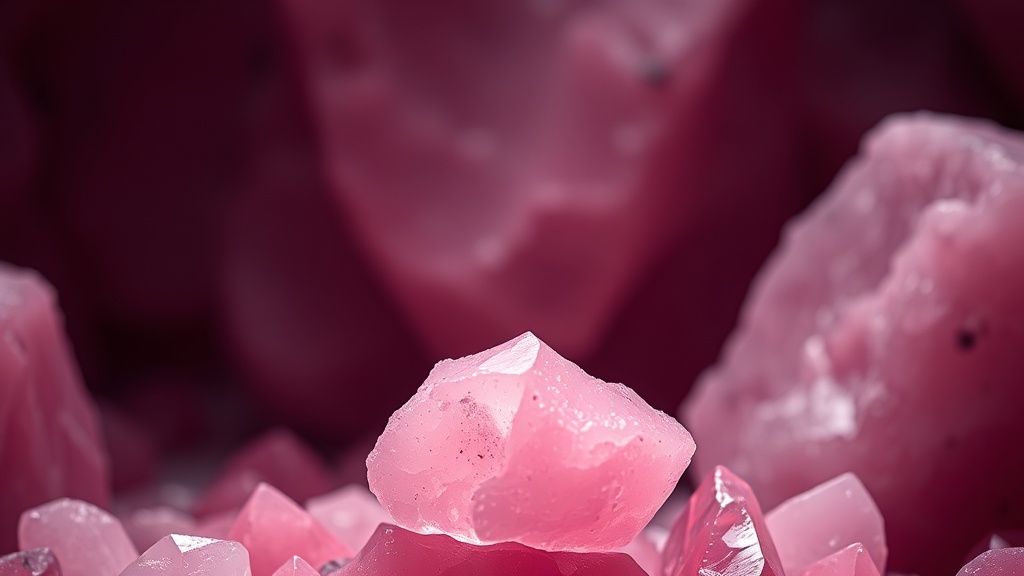
Rose quartz is a mineral composed of silicon dioxide. It is often found in massive or crystalline forms and is known for its soft pink hue. From a practical standpoint, its weight and temperature make it an excellent tool for mindfulness. If you are feeling a "heat" in your chest or a sense of panic, the coolness of the stone can be a physical relief.
I often suggest keeping a tumbled stone in your pocket. It's a subtle way to practice managing an overloaded mind throughout the day without drawing unnecessary attention to yourself.
What Are the Best Breathing Techniques for Relaxation?
The most effective breathing technique for immediate relaxation is the 4-7-8 method, which involves inhaling for four seconds, holding for seven, and exhaling for eight. This specific rhythm is designed to stimulate the vagus nerve, which is the main component of the parasympathetic nervous system. When you activate this nerve, you are essentially telling your brain to turn off the "fight or flight" response.
There are a few different ways to approach this, depending on how much time you have. Below is a breakdown of three common methods:
| Technique | Pattern (Inhale/Hold/Exhale) | Best For... |
|---|---|---|
| Box Breathing | 4 / 4 / 4 / 4 | Focus and steadying the nerves during a task. |
| 4-7-8 Method | 4 / 7 / 8 | Deep relaxation and falling asleep. |
| Physiological Sigh | Double inhale / Long exhale | Rapidly lowering heart rate during acute stress. |
The 4-7-8 method is particularly powerful when paired with a physical object. The hold—that seven-second pause—is where much of the work happens. It requires a level of discipline that keeps your mind from wandering back to your to-do list.
If you find that your breath is naturally shallow, don't force it too hard. If you're gasping for air, you're doing too much. The goal is a gentle, rhythmic flow, not a strenuous workout.
How Do I Use Rose Quartz with Breathing?
To use rose quartz with breathing, you should hold the stone in your non-dominant hand and focus on its texture and temperature while performing your chosen breathing pattern. This creates a multi-sensory experience that anchors your focus.
Here is a step-by-step way to do this during a workday or a stressful evening:
- Find your stone: Pick up your rose quartz. Notice if it feels heavy or light. Feel the smoothness of the surface against your skin.
- Set the intention: As you hold it, remind yourself that this stone is your anchor. It isn't going anywhere, and neither are you.
- Start the cycle: Inhale through your nose for 4 seconds. As you inhale, feel the cool surface of the stone.
- The Hold: Hold your breath for 7 seconds. During this pause, visualize the tension leaving your shoulders and moving into the stone.
- The Release: Exhale slowly through your mouth for 8 seconds. As the air leaves your lungs, slightly squeeze the stone to feel its solid presence.
- Repeat: Do this for at least four cycles.
This isn't just about the stone; it's about the ritual. The stone acts as a physical boundary between your "stressful" state and your "calm" state. It’s a way to mark the transition.
I've found that using this method during an afternoon slump is much more effective than reaching for a third cup of coffee. If you're looking for more ways to wind down, you might find lavender rituals helpful for your evening routine too.
One thing to keep in mind: don't overthink the "energy" of the stone. Whether you believe the stone has its own properties or you view it strictly as a psychological tool, the result is the same. It works because it forces you to be present. It forces you to stop reacting to the world and start observing your own body.
If you're feeling particularly overwhelmed, try placing the stone on your chest while lying down. The weight can provide a sense of security—similar to how a weighted blanket works—while you focus on your breath. This adds a tactile layer of "pressure" that can be incredibly soothing for a racing heart.
The beauty of this practice is its simplicity. You can do it in a car, at a desk, or on a park bench. No one even has to know you're doing it. You're just a person holding a pretty pink stone, breathing deeply.